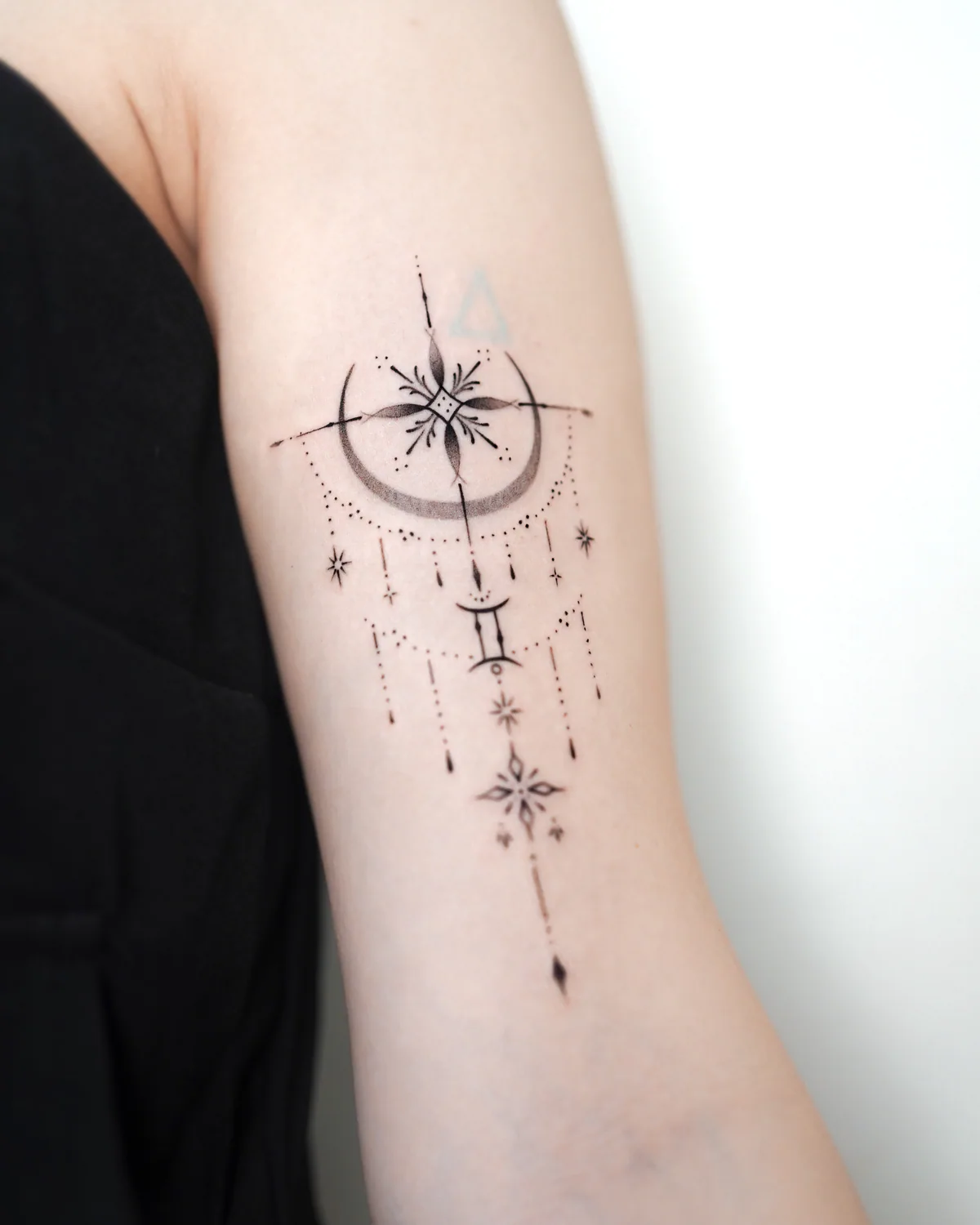
You do not need to identify a perfect placement immediately. A practical first step is to shortlist two or three areas, then compare scale, visibility and your routine before eliminating options.
Start with three decisions
Do you want to see it every day?
Consider uniforms, short sleeves, formal settings and whether the tattoo is public or personal.
How much space does it need?
Portraits, florals, lettering and characters need different proportions and detail spacing.
What happens after the session?
Clothing friction, exercise, work posture and sunlight can affect practical timing.
Visibility and composition matter more than a trendy spot
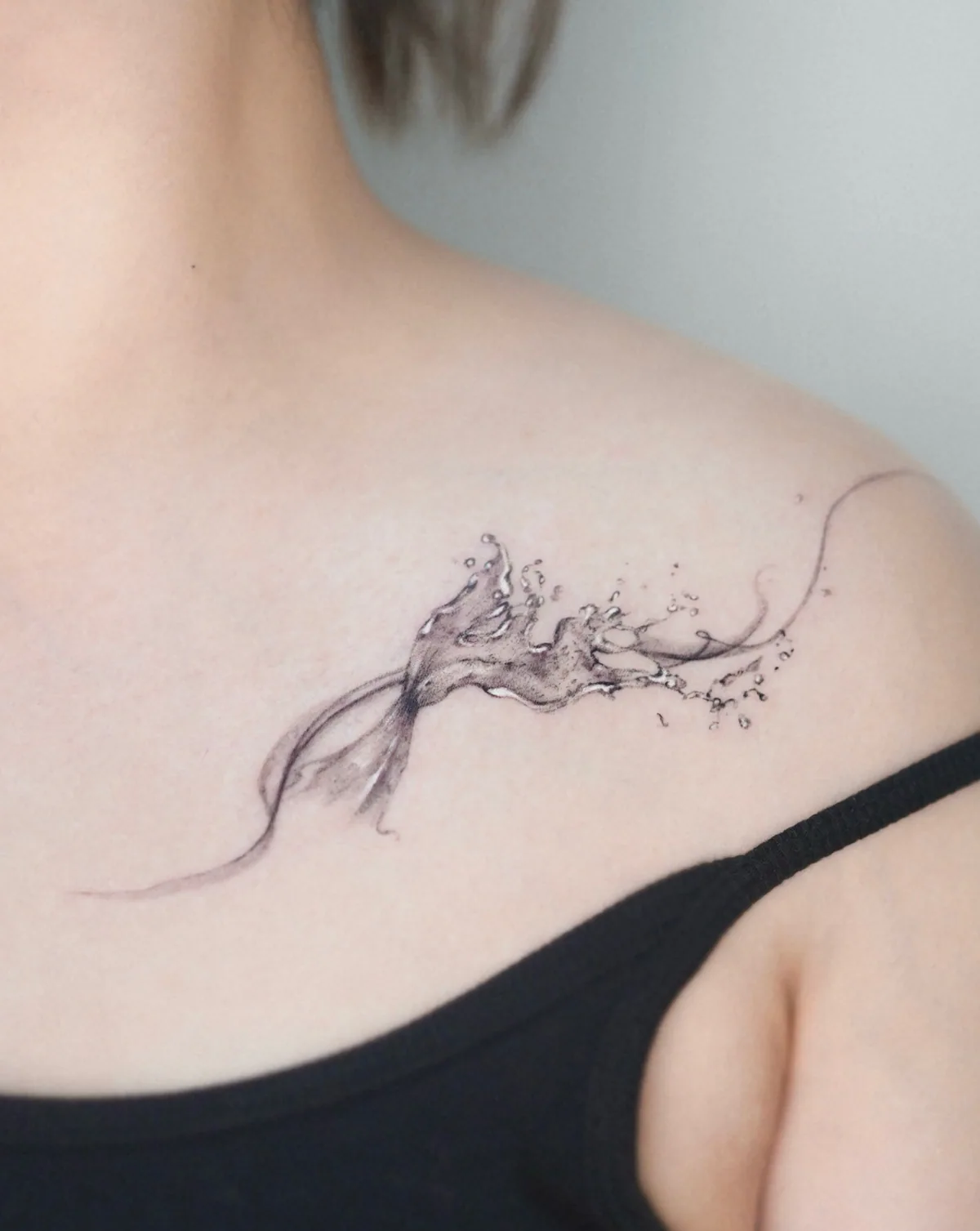
The forearm, upper arm, collarbone, back and calf each create a different visual direction. A vertical design needs length; a horizontal design must consider body turns. Lettering also needs a readable direction, spacing and a surface that does not distort the phrase unexpectedly.
If you want to see the tattoo easily, the arms or legs may be useful starting points. If you prefer something more private, compare the upper arm, back or torso. These are not rules: the right answer depends on the image, clothing and your own preference.
Pain is a reference, not the only decision
No placement can promise a painless session. Sensation varies by person, body area, technique and time. Some people describe thin or bony areas as more intense, while a larger design may simply require more endurance because the session is longer.
Instead of relying on a universal pain chart, send the possible placements and approximate dimensions to the artist. Ask about expected time, body position and whether more than one sitting may be appropriate. Resting, eating and hydrating according to the studio’s instructions is more practical than shrinking a detailed design until it no longer reads well.
Include clothing, work and exercise in the decision
Freshly tattooed skin needs the individual aftercare instructions provided by the artist. If the area is constantly rubbed by tight clothing, shoes, straps or protective gear, you may need to adjust the date or routine. Outdoor work also makes sun exposure a practical consideration.
Tell the studio about uniforms, exercise and work posture before booking. If the skin is injured, sunburnt, inflamed or otherwise abnormal, inform the studio and seek qualified medical advice where appropriate. Read the full tattoo aftercare guide.
Choose a size that keeps the idea clear
The same drawing cannot always be scaled identically from the wrist to the upper arm or back. Curvature, movement and available surface change line spacing and detail density. Tiny lettering, faces, anime characters and fine-line florals especially need enough room to remain readable.
Trois has a HK$500 minimum charge, generally for a simple 3–5 cm black line design. Small lettering is generally in the HK$800–1,500 reference range; Chinese characters or more complex type may exceed it. The final quote depends on the artist, placement, size, complexity and expected time. Read the Hong Kong tattoo pricing guide.
How to photograph a possible placement
- Use good natural light and take both front and side views without beauty filters or wide-angle distortion.
- Step back enough to show nearby joints and the overall body line.
- Use a ruler, paper or tape to indicate approximate centimetres.
- Send two or three options, including left or right and your preferred order.
Add the subject, references, budget and possible dates. The first tattoo consultation checklist covers the complete message.
First tattoo placement FAQ
Should I choose only by pain?
No. Pain varies by person, placement, design and session length. Visibility, composition space, clothing friction and everyday routines also matter.
Can I enquire before choosing the placement?
Yes. Send two or three possible areas with the design direction and approximate dimensions so the artist can compare them.
Can changing placement or size affect the quote?
Yes. Placement, scale, detail density and expected time may all affect the quote, so material changes should be reassessed.
Can an online photo show the final placement?
It can communicate direction, but the composition still needs to be considered for your own proportions and an original design rather than copying someone else’s finished tattoo.