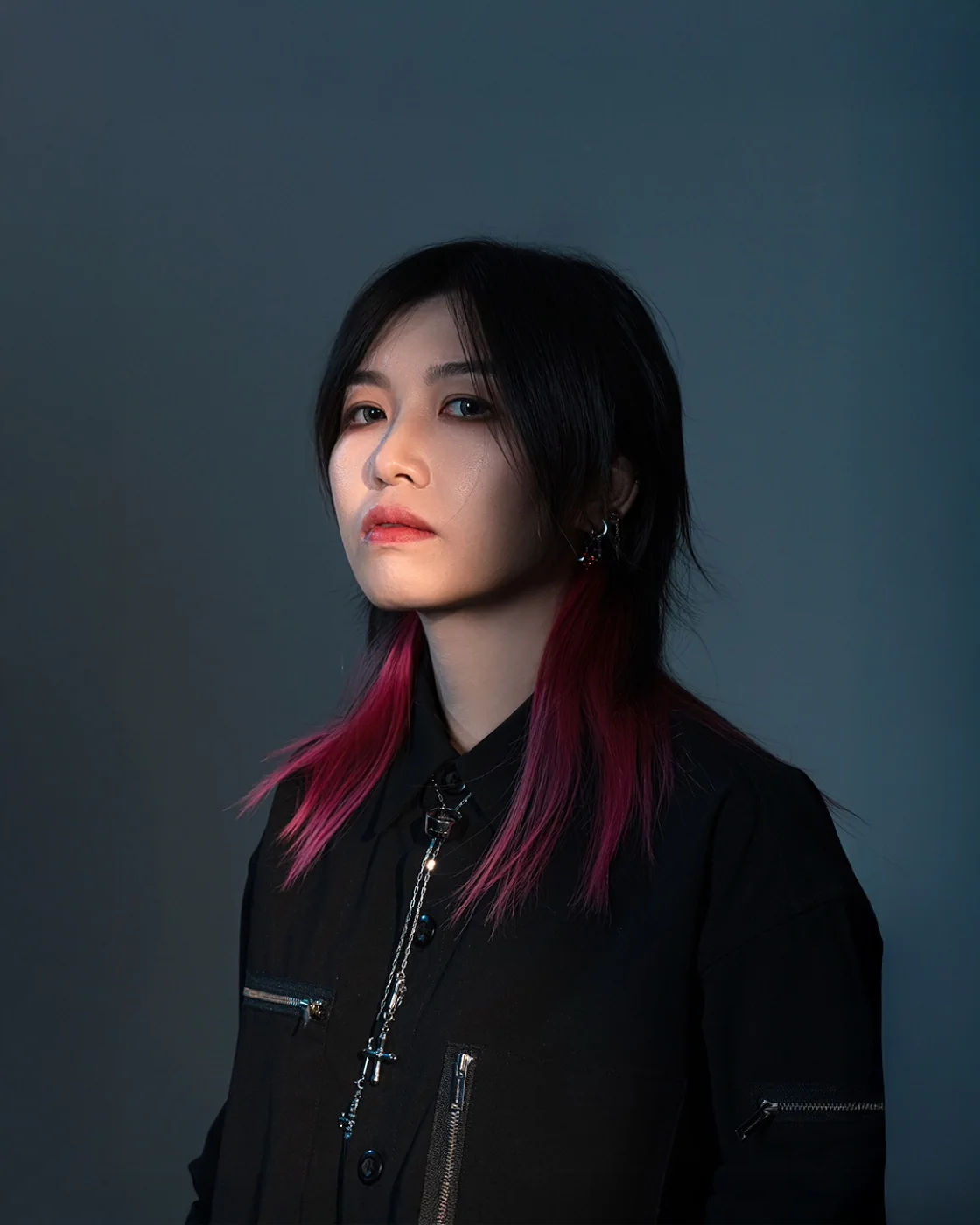
The right artist is not necessarily the account with the largest following. Look for a portfolio, visual approach and communication process that are close to what you want.
Look beyond the name of a style
Terms such as black and grey, realism, anime, colour and fine line are useful starting points, but they do not describe every artistic decision. Two artists using the same label may treat contrast, outlines, detail, movement and negative space very differently.
Ask whether you are responding only to the subject or to the way the artist builds the image. If the character, flower or portrait were changed, would you still like the line quality, composition and overall feeling? That helps separate a temporary interest in one image from a genuine match with an artist’s work.
Placement and scale are part of the design
A photograph on a screen does not show the true size of a tattoo. A detailed composition may need more space than expected, while a curved or highly mobile area can change the way an image reads. The same direction can require a different crop, orientation or level of detail on a forearm, upper arm, shoulder blade or calf.
An artist should assess the available area and the flow of the body rather than treat skin like a flat page. Provide the exact placement, approximate dimensions and a clear photograph of the area if requested.
How to read a tattoo portfolio
- Check that the artist is clearly credited for each image.
- Look for more than one piece in the direction you want.
- Notice line quality, contrast, colour relationships, negative space and how the image sits on the body.
- Do not assume fresh and healed tattoos look the same. Ask if the state is not labelled.
- Use Instagram for recent work, but view the website profile for portfolio context, contact details and booking information.
Three directions at Trois Tattoo Studio
HIM
Black and grey, figurative imagery, realism and larger compositions, with attention to contrast, visual weight and body flow.
HIM’s portfolio ↗LC
Colour, anime and character-led work, using silhouette, movement and colour relationships to shape the composition.
LC’s portfolio ↗Moon
Fine lines, florals and lighter compositions, considering rhythm, negative space and proportion on the body.
Moon’s portfolio ↗These descriptions reflect the work currently presented; they are not a promise that every enquiry will fit a fixed category. The portfolio and consultation should make the final direction clear.
Communication matters before you book
Before confirming, you should know which artist is responding, the agreed design, placement and size, and how the quote or estimate, deposit and date are being handled. Ask about originality, revisions, aftercare or photography consent before paying if anything is unclear.
Good communication does not mean an artist agrees to every request. It means the creative and practical boundaries are explained clearly enough for both sides to make an informed decision. Read the booking and aftercare policy before confirming.
Choosing an artist FAQ
Can the studio recommend an artist?
Yes. Send your references, placement and dimensions and the studio can compare the idea with the three current portfolios.
Can I request a copy of a tattoo found online?
References can show what you like, but another artist’s or client’s tattoo should not simply be copied. Your design needs to be considered as an individual piece.
What if I have a subject but no style?
Describe the subject, the feeling you want, and examples you like or dislike. That is enough to begin narrowing the direction.
Should I choose by price alone?
Price is practical, but it should be considered with portfolio fit, scale, placement, time and booking terms.